

How Youth Culture Continues to Redefine Streetwear Fashion
Contents:
Why streetwear became a global movement
The connection between youth identity and fashion
How Gen Z fashion influences trends
The evolution of urban style
Social media and digital fashion culture
Common misunderstandings about streetwear fashion
Skills needed to understand modern fashion communication
Streetwear fashion is no longer a niche movement connected only to skateboarding or underground music scenes. Today, it represents one of the strongest cultural forces shaping global fashion. From oversized silhouettes to sneakers, graphic hoodies, vintage references, and gender-fluid styling, streetwear fashion reflects how younger generations communicate identity, values, and creativity.
According to Vogue Business, Gen Z consumers are increasingly drawn to fashion that feels authentic, expressive, and culturally connected rather than traditionally luxurious. This shift explains why urban style has become central even inside luxury fashion houses.

What It Is
In simple terms, streetwear fashion combines casual clothing with cultural influence. It takes inspiration from music, sports, skate culture, hip-hop, digital communities, and city life.
The key idea is that streetwear is not only about clothing — it is about belonging, attitude, and self-expression.
Today’s urban style includes:
Oversized silhouettes
Sneakers and collectible footwear
Vintage-inspired pieces
Utility wear and cargo garments
Graphic design and logo culture
Gender-neutral styling
At the same time, Gen Z fashion constantly reinvents these elements through social media, digital aesthetics, and sustainability awareness.
Why It Matters
Youth culture has always influenced fashion, but digital platforms have accelerated the process dramatically. Trends that once took years to spread can now become global within days through TikTok, Instagram, and online communities.
This is why streetwear fashion has become more than a trend. It is now part of mainstream fashion communication.
Luxury brands increasingly collaborate with streetwear designers because younger consumers value:
Authenticity
Cultural relevance
Comfort
Creativity
Personal identity
Urban style also reflects social change. Many Gen Z fashion trends challenge traditional ideas about gender, luxury, and beauty standards.

What You Should Learn
To understand modern streetwear fashion, students should learn:
Trend forecasting
Visual research
Fashion communication
Branding and storytelling
Youth consumer behavior
Fashion styling basics
Digital fashion culture
Understanding cultural movements is just as important as understanding garments themselves.
Common Mistakes
One common misunderstanding is believing that streetwear fashion is simply casual clothing. In reality, successful urban style often involves careful visual balance, proportion, color coordination, and cultural references.
Another mistake is copying trends without understanding their origins. Many iconic elements of streetwear fashion come from specific music, sports, and community cultures.
Some beginners also focus only on hype products instead of developing personal visual sensitivity. Gen Z fashion values individuality more than rigid fashion rules.

Beginner vs Advanced Understanding
Beginners often approach streetwear fashion through trends and aesthetics.
Advanced professionals analyze:
Cultural influence
Consumer psychology
Trend cycles
Fashion branding
Visual identity systems
The deeper understanding comes from observing why certain styles resonate emotionally with younger audiences.
How to Evaluate Streetwear Trends
Not every viral trend becomes culturally relevant. When studying urban style, ask:
Does the trend reflect a real lifestyle?
Is there cultural authenticity behind it?
Does it connect emotionally with younger audiences?
Is social media driving it temporarily or sustainably?
The strongest Gen Z fashion movements usually combine creativity, identity, and community.
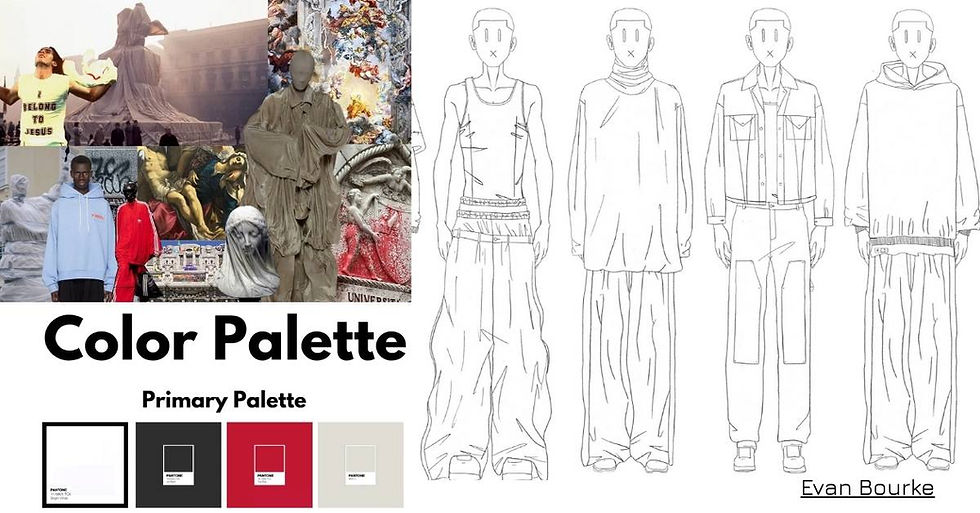
Key Skills for Understanding Streetwear Fashion
Important skills include:
Visual trend analysis
Fashion styling
Creative direction
Cultural observation
Digital communication
Branding awareness
Research and storytelling
Learning how to interpret fashion culture requires practice, observation, and critical thinking. Some educational paths help students develop this sensitivity by combining practical styling exercises with trend analysis and visual communication.
Milan Fashion Campus offers short intensive programs focused on fashion styling, trend forecasting, fashion communication, and digital fashion tools designed for beginners and international students. Students can also explore flexible learning opportunities through MFC Online Fashion Courses.
Founded by Angelo Russica, former collaborator of Gianni Versace, Milan Fashion Campus combines practical fashion training with direct industry insight and Italian fashion culture.

FAQ
Why is streetwear fashion so popular?
Because it combines comfort, identity, creativity, and cultural relevance.
What defines Gen Z fashion?
Gen Z fashion often values individuality, sustainability, gender-fluid styling, and digital influence.
Is urban style connected to luxury fashion today?
Yes. Many luxury brands integrate streetwear fashion into their collections and collaborations.
Can you study streetwear fashion professionally?
Yes. Many fashion styling and trend forecasting courses analyze youth culture and urban style.
Why does youth culture influence fashion so strongly?
Young generations often introduce new ways of expressing identity, values, and creativity through clothing.
Fashion constantly changes because culture constantly changes. Streetwear reminds us that style is not only designed on runways — it is created every day in the streets, online communities, music scenes, and personal identities.
Style speaks before words do. What does yours say?


Comments