

Short fashion courses in Europe: a practical guide to choosing the right path
- Milan Fashion Campus
- Feb 15
- 3 min read
In today’s fast-moving industry, committing to a three-year degree is no longer the only way to enter fashion. Increasingly, aspiring designers, stylists, and entrepreneurs are turning to short fashion courses in Europe as a focused and strategic alternative. These programs respond to a new mindset: learn efficiently, gain practical skills, and experience fashion where it actually happens.
As highlighted by Business of Fashion, education in the creative industries is shifting toward flexible and skills-based formats. The goal is not simply academic knowledge, but employability, portfolio development, and real-world understanding. Within this context, short fashion courses in Europe have become a dynamic solution for both beginners and professionals.

Below are the most common questions students ask — along with clear answers.
What are the best short fashion courses in Europe for beginners?The best programs for beginners are those that combine fundamentals with hands-on practice. Courses in fashion styling, fashion design basics, trend forecasting, and portfolio preparation are ideal entry points. Schools that offer small class sizes and personalized guidance tend to be more effective than large lecture-based institutions.
How much do short fashion courses in Europe usually cost?Costs vary depending on duration and specialization. One-week intensive programs may start around €1,500–€2,500, while multi-month master courses can range between €5,000 and €12,000. For example, structured short programs in Milan typically follow this range . Tuition generally excludes accommodation and living expenses.
How long do short fashion courses in Europe typically last?They can range from 1–2 weeks to 2–4 months. Some institutions allow modular combinations, meaning students can build a customized timeline . The flexibility is one of the main advantages of short fashion courses in Europe.
Are short fashion courses in Europe suitable for career changers?Yes. Many participants are professionals transitioning from other industries. Intensive programs allow career changers to test their interest, build foundational skills, and develop a portfolio without committing to long-term academic paths.
Can I build a portfolio through short fashion courses in Europe?In well-structured programs, absolutely. Portfolio-building modules are often integrated into design and styling courses . The key is choosing a course that includes practical assignments and final project reviews.
Do short fashion courses in Europe require previous experience?Most short programs do not require formal experience. Some recommend a basic understanding of English for international students , but beginners are generally welcome.
Which cities offer the most recognized short fashion courses in Europe?Major fashion capitals such as Milan, Paris, and London are among the most recognized destinations. Milan, in particular, offers a unique balance between industry access and concentrated training opportunities.
Are there short fashion courses in Europe focused on styling?Yes. Styling is one of the most requested specializations. Programs may include personal styling, editorial styling, and even fashion week experiences. Styling-focused short fashion courses in Europe are especially popular in Milan due to its strong visual culture.
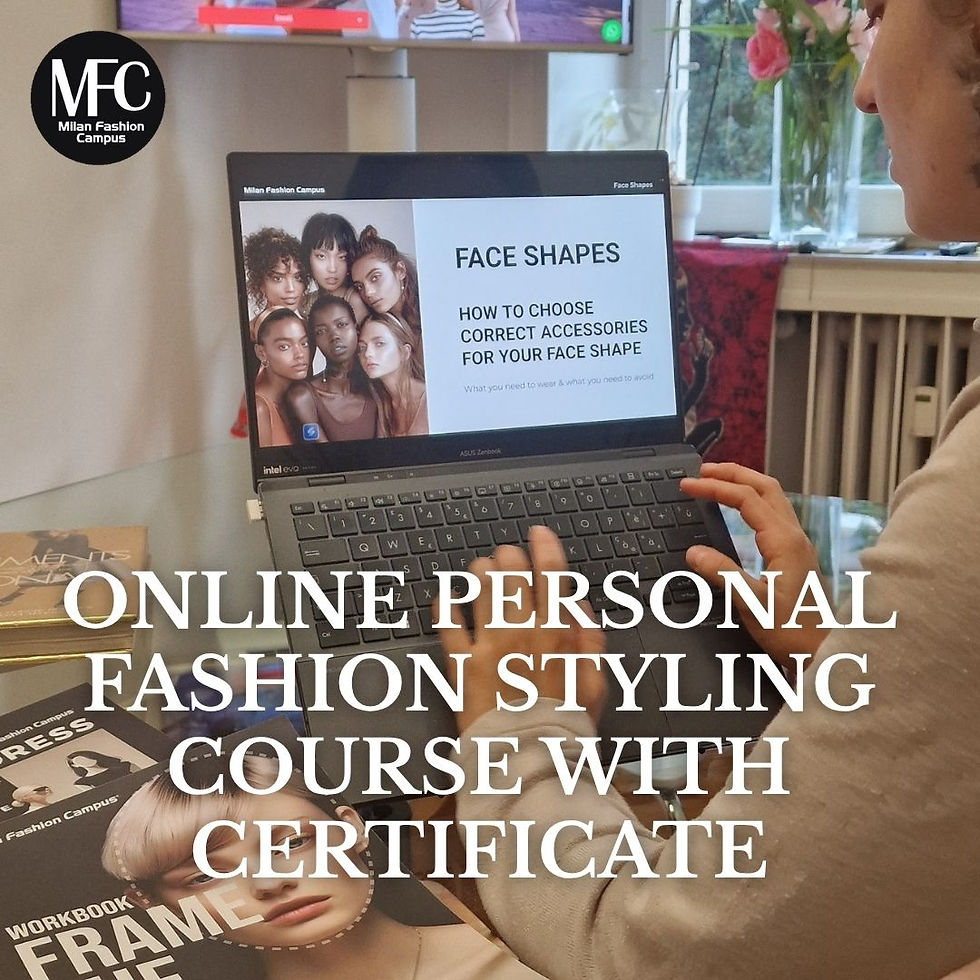
Do short fashion courses in Europe provide certificates?Most professional institutions issue a certificate of completion at the end of the program . While not equivalent to a university degree, these certificates validate participation and skills acquired.
Can international students easily enroll in short fashion courses in Europe?Generally, yes. Many schools welcome international students and provide enrollment documentation . Visa requirements depend on course length and nationality, but short-term programs under 90 days are often simpler to manage within the Schengen framework.
Within this evolving educational landscape, Milan Fashion Campus represents a specialized model built entirely around modular, intensive learning. The institution offers short fashion courses in Europe ranging from styling and design to digital tools and portfolio development, structured from Monday to Thursday with full-time or part-time options . The teaching method emphasizes one-to-one follow-up and personalized study paths.
Founded and directed by Angelo Russica — with professional experience across Europe and Asia — Milan Fashion Campus is a private fashion school located in the heart of Milan. Its philosophy is direct: practical training, immersive experience, and tailored development rather than large academic structures.
Choosing among short fashion courses in Europe ultimately means defining your objective. Do you want to explore a passion, upgrade your skills, or reposition your career? The format offers intensity, clarity, and speed — but the real difference comes from how seriously you engage with the opportunity.
Fashion is not only about trends. It is about direction.What direction are you ready to take?


Comments