

How to Enroll in a Fashion Styling Course in Milan
Your Step-by-Step Guide to Studying Fashion Styling in Italy
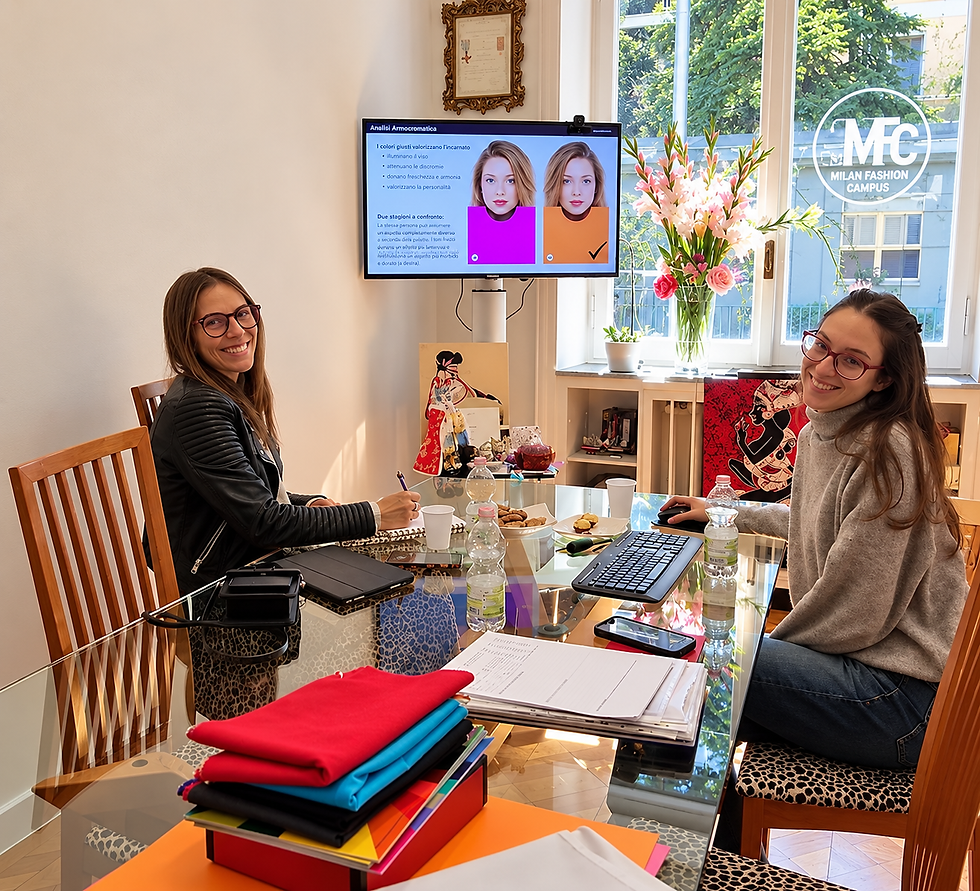
Enrolling in a fashion styling course in Milan is an opportunity to develop practical creative skills while experiencing one of the world's most influential fashion cities. But before choosing a school, it is important to understand which program matches your goals, how enrollment works, and what to prepare before traveling to Italy.
Whether you are a complete beginner, an international student, or a professional considering a career change, the right course should offer more than fashion inspiration. It should give you knowledge, practical experience, and a clear direction for your next steps.
Quick Answer: How Do You Enroll in a Fashion Styling Course in Milan?
To enroll in a fashion styling course in Milan, choose a specialization and duration, select an available Monday start date, and submit your signed application with the required documents. Review fees, school calendar, and entry requirements before confirming travel plans.
1. Understand What Type of Fashion Stylist You Want to Become
Before enrolling, identify what you want to do with your styling knowledge.
The term fashion stylist covers several professional activities, and not every course prepares students for the same type of work.
Personal Fashion Styling
Personal stylists work directly with individuals. Their purpose is to help clients develop a wardrobe and image that reflects their personality, body proportions, lifestyle, and preferences.
Professional skills often include:
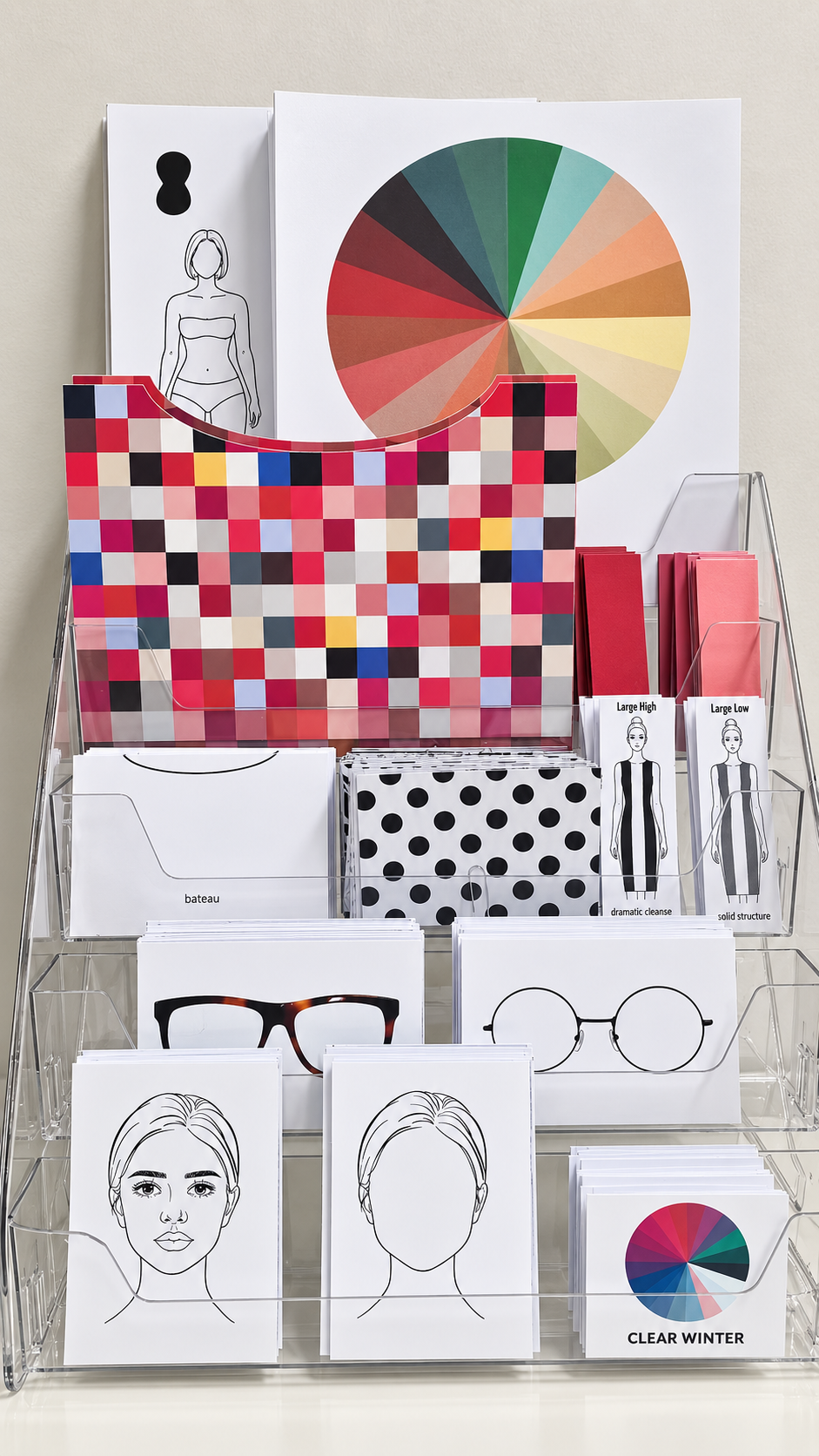
Body and face shape analysis.
Color analysis and personalized color palettes.
Personal style identification.
Wardrobe planning and outfit coordination.
Understanding dress codes and shopping needs.
Communication and consultation with clients.
Personal styling can lead to independent services such as wardrobe consulting, personal shopping, and online image consultations.
If you are considering this direction, understanding the difference between Personal Styling Versus Image Consulting is a useful starting point.
Editorial Fashion Styling
Editorial styling focuses on creating images and visual stories for fashion magazines, photographers, brands, campaigns, and digital content.
An editorial stylist develops a creative concept, selects clothing and accessories, researches fashion references, and collaborates with other professionals to produce a coherent visual result.
The skills required include trend research, visual storytelling, moodboards, garment sourcing, look coordination, and photoshoot preparation.
If you are completely new to the subject, begin with What Is Fashion Styling? A Career-Focused Guide.
The most important question is not simply which course looks more attractive, but what type of work you want to perform after studying.

2. Choose the Right Course Duration
One of the advantages of short fashion courses is the possibility of learning new skills without committing to several years of full-time education.
However, course duration should be determined by your current experience and learning objectives.
A one-week intensive course may be suitable for discovering the foundations of styling or developing a specific skill.
A two-week program gives students more time to practice styling principles and explore their creative direction.
A three-week course allows additional time for exercises, research, visual presentations, and portfolio-related work.
Longer courses may be appropriate for students who want to combine subjects or explore several areas of fashion.
Questions to Ask Before Choosing
Consider the following:
Am I studying for personal development or a professional career?
Do I already understand fashion terminology, styles, and trends?
Do I want to work with private clients or fashion brands?
How much time can I realistically dedicate to studying?
What practical work will I be able to show after the course?
The number of weeks is important, but the quality of the learning experience, feedback, and assignments matters just as much.
3. What Should You Learn in a Professional Fashion Styling Course?
A professional styling course should teach you how to make informed visual decisions rather than simply imitate current trends.
Understanding People, Proportions, and Individual Style
In personal styling, you learn to observe different body proportions, identify style preferences, and understand how clothes interact with an individual's needs.
For example, two clients may wear the same clothing size but require completely different recommendations because of their proportions, lifestyle, preferences, or professional environment.
Good styling is not about applying one set of rules to everybody.
It is about translating fashion knowledge into individual solutions.
Learning to Research Fashion
Fashion professionals need to interpret trends, understand references, and recognize the characteristics of different fashion styles.
This may involve studying runway collections, cultural influences, fashion history, silhouettes, accessories, fabrics, and the relationship between clothing and society.
The objective is to develop an independent point of view.
Creating Fashion Moodboards
A moodboard helps communicate a visual direction through carefully selected references.
Students can use moodboards to explain colors, silhouettes, atmosphere, materials, and the emotion behind a particular styling concept.
A strong moodboard should support real creative decisions rather than simply collect attractive photographs.
Discover more in How to Use Fashion Moodboards Like a Stylist.
Developing Practical Styling Skills
An effective program should provide opportunities to apply what you learn.
Depending on the specialization, assignments may involve creating outfits, analyzing clients, developing color combinations, producing visual presentations, or planning an editorial project.
These exercises encourage students to justify their decisions and understand why particular garments, accessories, or visual references work together.
Building a Portfolio
A portfolio communicates your abilities to potential clients and collaborators.
For a personal stylist, this may include client profiles, wardrobe concepts, color analysis examples, outfit suggestions, and personalized style presentations.
For an editorial stylist, a portfolio might feature moodboards, creative concepts, styled looks, and photography projects.
A portfolio does not need to be extensive at the beginning. What matters is demonstrating a coherent idea, attention to detail, and the reasoning behind your work.
[Insert Learning Roadmap: From Interest to Professional Practice]
4. How to Apply for a Fashion Styling Course in Milan
Once you have identified the right program, the application process becomes much easier.
At Milan Fashion Campus, enrollment is designed to accommodate international students with different educational backgrounds and schedules.
Step 1 — Select Your Course
Begin by reviewing the course description and learning outcomes.
Choose whether you want to focus on personal styling, editorial styling, or another fashion specialization.
Step 2 — Choose Your Duration
Select the number of weeks appropriate to your goals and availability.
Check the course timetable and the skills covered during your chosen duration.
Step 3 — Choose Your Starting Monday
Milan Fashion Campus offers flexible enrollment, with courses starting every Monday throughout the year, except during school closures and Italian public holidays.
This means you can organize your training around your personal calendar rather than having to wait for a traditional academic semester.
Step 4 — Prepare Your Application Documents
The standard application requirements include:
A completed and signed application form.
A copy of the identification page of your passport.
Your CV, including previous studies and professional experience.
Previous academic transcripts, if available.
A portfolio where relevant to your experience and chosen course.
Beginners can apply without previous formal fashion qualifications. A portfolio is generally more relevant for applicants who already have creative experience.
Step 5 — Submit Your Application
Visit the official Course Price List and Application Form.
Select your course and dates, complete the application form, download the completed PDF, and submit it with the necessary documents to the school's admissions team.
Email: info@milanfashioncampus.eu
Step 6 — Confirm Your Place
After the school reviews your application, follow the instructions provided regarding availability, fees, and payment.
Review the applicable enrollment fees, taxes, and cancellation policies before completing your booking.
Places are limited, so applying in advance is recommended even when a course has flexible starting dates.
[Insert Infographic 2: Six Steps to Enroll in Milan]
5. How Much Time Should You Plan for Studying in Milan?
Intensive fashion courses require concentration, but they can also make it possible to combine education with an international travel experience.
At Milan Fashion Campus, the standard full-time schedule runs from Monday to Thursday, six hours per day.
Typical daily timetable:
Morning lessons: 9:30 AM – 12:30 PM
Afternoon lessons: 1:45 PM – 4:45 PM
This gives students time outside lessons to complete additional research, discover Milan, visit exhibitions, observe retail presentation, and experience Italian culture.
Example: Planning a Two-Week Styling Experience
Imagine an international student who works in marketing and wants to explore personal styling as a possible second career.
She could select a two-week program in Milan, beginning on an available Monday.
During the course, she would focus on the foundations of personal styling, research different fashion styles, develop visual presentations, and practice applying styling principles.
Outside class, she could observe window displays, study fashion retail concepts, visit cultural spaces, and collect visual references from the city.
At the end of the experience, she would have a better understanding of the profession and the skills she still needs to develop.
This is an illustrative example, not a promise of a particular career outcome.
6. Do International Students Need a Visa to Study Fashion in Milan?
Visa requirements depend on nationality, length of stay, and the purpose of travel.
Some international visitors can enter Italy for a short stay without obtaining a visa in advance, while others need an appropriate visa even for a brief visit.
A short fashion course does not automatically provide eligibility for a student visa or residence permit.
Milan Fashion Campus is a private vocational fashion school, not a university, and does not guarantee visa sponsorship or approval.
Before booking flights or accommodation, check the requirements for your nationality through the official Italian Government Visa Portal or the Italian Embassy or Consulate responsible for your country.
Allow sufficient time for documentation, travel arrangements, and accommodation planning.
7. Why Study Fashion Styling in Milan, Italy?
Milan offers a learning environment in which fashion can be observed beyond the classroom.
The city brings together Italian design traditions, luxury brands, independent creative businesses, contemporary retail concepts, and international fashion influences.
For a styling student, these surroundings become opportunities to develop visual awareness.
Learning From Italian Fashion Culture
Italian fashion education places considerable importance on aesthetics, proportion, materials, visual identity, and the relationship between creativity and practical application.
A student can observe how fashion ideas are translated into coordinated collections, store presentations, accessories, and personal style.
Discovering Fashion in Everyday Life
Fashion inspiration in Milan extends beyond runway presentations.
Architecture, galleries, concept stores, vintage boutiques, and ordinary street style can all influence the way a student understands fashion.
Students can practice observing details, recognizing references, and evaluating how different visual elements communicate a particular identity.
The Advantage of Flexible Monday Starts
Unlike schools that require students to wait for fixed academic intakes, Milan Fashion Campus offers courses beginning every Monday, subject to the school calendar.
This flexibility is especially relevant for international students, working professionals, and people who want a focused educational experience during a short visit to Italy.
For broader guidance on studying fashion in Italy, read Best Fashion Design and Styling Courses in Italy: Your Complete Guide to Studying Fashion in Milan.
8. Which Fashion Styling Courses Can You Study at Milan Fashion Campus?
There is no single learning path that suits everyone. The right choice depends on whether you want to develop styling techniques, work on creative productions, or turn existing styling knowledge into professional services.
Course | Learning focus | Format and duration |
Personal Women's Fashion Styling | Client analysis, color, proportions, outfit creation, and personal styling | In Milan, 1–3 weeks |
Media Editorial Fashion Styling | Creative concepts, trend research, editorial projects, and photoshoot planning | In Milan, 3 weeks |
Start Working as a Personal Stylist | Client positioning, services, pricing, portfolio presentation, and freelance preparation | Online, self-paced, from 4 weeks |
Personal Women's Fashion Styling Course
The Personal Women's Fashion Styling Course in Milan introduces students to personal styling principles, including body and face shape analysis, color analysis, style research, and outfit creation.
It is suitable for beginners as well as students who want to develop their fashion knowledge through practical assignments and personalized guidance.
Media Editorial Fashion Styling Course
The Media Editorial Fashion Styling Course focuses on visual storytelling, editorial research, styling concepts, professional collaboration, and planning fashion photography projects.
It is particularly relevant for students interested in magazines, creative direction, fashion imagery, or styling work for brands.
You can also explore the creative process in How to Become a Fashion Editorial Stylist in Milan.
Start Working as a Personal Stylist — Online
Students who already have styling knowledge may also want to develop the professional side of their activity.
The online program Start Working as a Personal Stylist — From Styling Skills to Real Freelance Work focuses on identifying clients, creating services, pricing, presenting work, and preparing to manage professional client relationships.
It complements technical styling education rather than replacing training in color, body shape, or wardrobe styling.
9. Frequently Asked Questions About Fashion Styling Courses in Milan
1. Can I study fashion styling in Milan without previous experience?
Yes. Many short fashion styling programs are designed for beginners. At Milan Fashion Campus, students can apply without previous college-level fashion qualifications, although the most appropriate course depends on their objectives.
2. How long does a fashion styling course in Milan take?
Short intensive programs can last from one to three weeks. Other specializations may require more time. The ideal duration depends on the subject and the level of practical experience you want to develop.
3. Can I start a fashion styling course on any Monday?
Milan Fashion Campus offers weekly Monday starting dates throughout the year, excluding school closures and Italian public holidays. Students should confirm availability before making travel arrangements.
4. Are fashion styling courses in Milan taught in English?
Yes. Milan Fashion Campus offers fashion styling education in English and Italian. Students should confirm the language applicable to their selected program.
5. Do I need a fashion degree to become a personal stylist?
A fashion degree is not always required to begin working as a personal stylist. However, professional knowledge, practical experience, client communication skills, and a portfolio are important for building credibility. Training certificates do not replace practical ability.
6. Will I receive a certificate after completing the course?
Milan Fashion Campus issues its own certificate upon successful course completion. It is a private vocational school certificate, not a university degree or government-issued professional license.
7. Can I work as a freelance personal stylist after a short course?
You can begin developing a freelance activity once you have sufficient skills and have met any applicable local business or legal requirements. Starting a business also requires understanding clients, creating services, setting prices, and building professional experience. Course completion alone does not guarantee employment or paying clients.
8. Can I study fashion styling online before coming to Milan?
Yes. Online training can be a useful way to learn styling foundations before joining an in-person experience in Milan. Students with existing styling skills can also take online professional development courses to prepare for freelance work.
Conclusion: Make Your First Step Into Fashion More Meaningful
Choosing a fashion styling course is not simply about selecting a destination or receiving a certificate.
It is about understanding what kind of work inspires you, building the skills needed to perform it, and developing your own approach to fashion.
Milan offers an environment where fashion can be studied, questioned, observed, and experienced.
And with flexible courses beginning every Monday, your learning journey does not necessarily have to follow a traditional academic calendar.
Your first step is not to decide where fashion will take you. It is to choose what you want to learn next.
Plan Your Fashion Experience in Milan
Explore the course options, compare the durations, and choose a starting date that fits your plans.
Study fashion in Milan. Develop your own creative direction.


Comments