

Fashion Styling Courses for Career Changers in Milan
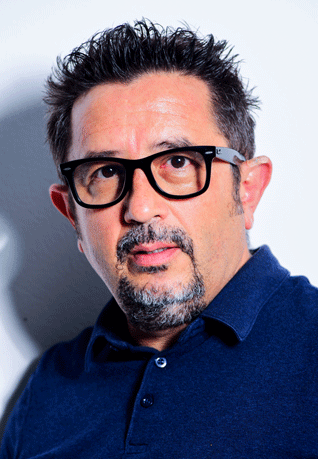
Your Experience Is Not a Limitation. It Could Be the Beginning of a New Fashion Career.

Fashion Styling Courses for Career Changers in Milan
Changing careers does not mean starting your professional life from zero. If you have always been passionate about clothing, personal image, creativity, or visual communication, fashion styling courses for career changers in Milan can help you explore a new professional direction through practical training, creative projects, and an introduction to the Italian fashion industry.
Whether you are 30, 40, 50, or older, learning fashion styling can be a way to turn an existing passion into new skills—and discover whether the fashion industry is right for your next chapter.
Why Are More Adults Considering a Career Change into Fashion?
There comes a moment in many professional lives when people begin questioning their career direction.
Perhaps you have spent years working in marketing, administration, retail, finance, hospitality, or another industry. You have developed valuable professional experience, but you now feel attracted to something more creative.
Fashion styling may offer an interesting direction because it combines aesthetics with practical problem-solving, communication, and an understanding of people.
A career change does not necessarily mean abandoning everything you have already learned.
Someone with a marketing background may understand branding and target audiences. A former sales professional may have strong interpersonal skills. Someone working in hospitality may be experienced in understanding clients' expectations and delivering personalized services.
These abilities can become valuable foundations for developing a career in personal styling, image consulting, fashion communication, or editorial styling.
The challenge is learning how to apply them to the fashion industry.
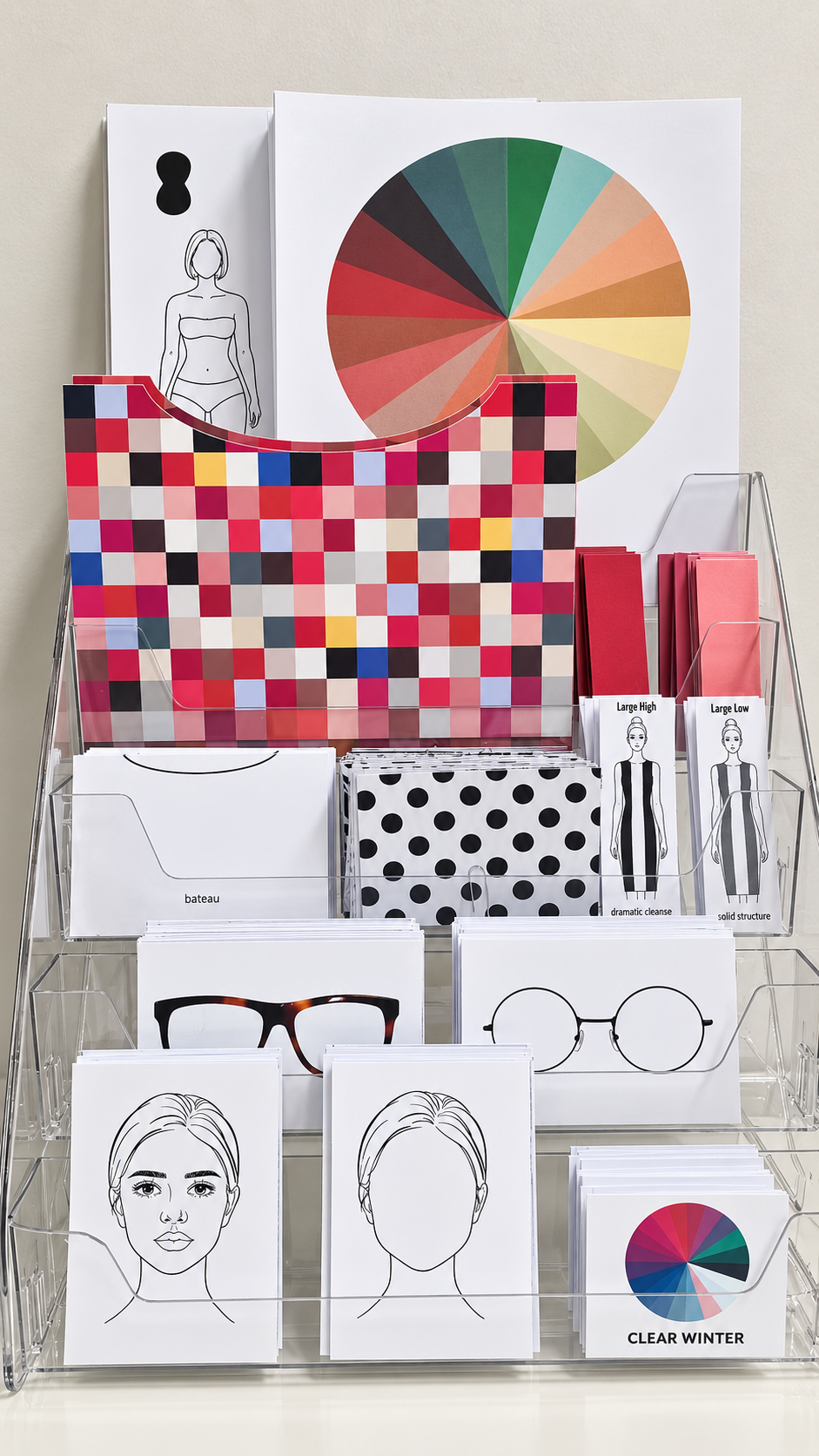
What Does a Professional Fashion Stylist Actually Do?
A professional fashion stylist does much more than select attractive clothes.
Styling involves creating a visual message through clothing, accessories, proportions, colors, textures, and personal identity.
Depending on the specialization, a stylist may work with private clients, photographers, fashion brands, magazines, online stores, or content creators.
For example, a personal stylist might help a business professional develop a wardrobe that reflects a new leadership role.
An editorial stylist, on the other hand, might create a fashion story using contemporary designer collections, carefully selected accessories, lighting concepts, and creative references.
Both activities require more than personal taste. They require research, communication, coordination, and the ability to explain creative decisions.

Four Fashion Styling Career Paths to Explore
Career Direction | Main Activities | Skills to Develop |
Personal Stylist / Image Consultant | Personal wardrobes, outfit coordination, client consultations | Body proportions, color analysis, communication |
Editorial Fashion Stylist | Fashion magazines, photography, creative stories | Trend research, moodboards, photoshoot coordination |
E-commerce / Commercial Stylist | Product photography, brand campaigns, online retail | Product presentation, consistency, brand identity |
Men's Fashion Stylist | Menswear styling, personal image, professional dressing | Dress codes, tailoring knowledge, menswear trends |
Understanding these different professional directions is important before selecting a training program.
Can You Become a Fashion Stylist Without Previous Fashion Experience?
Yes. Previous fashion studies are not always necessary to begin learning styling.
Many introductory fashion styling courses are designed for beginners who have never studied fashion at university or worked in a fashion company.
However, loving fashion and working professionally in fashion are not the same thing.
A successful transition requires developing a method.
For example, imagine being asked to create five professional outfits for a 45-year-old client who works in an international company.
A beginner might choose clothing based entirely on personal taste.
A trained stylist should consider the client's lifestyle, workplace, preferences, proportions, existing wardrobe, budget, and desired image.
This is the difference between simply liking clothes and learning to work with fashion professionally.
Practical fashion training helps you develop that analytical perspective.
What Should You Learn in a Fashion Styling Course?
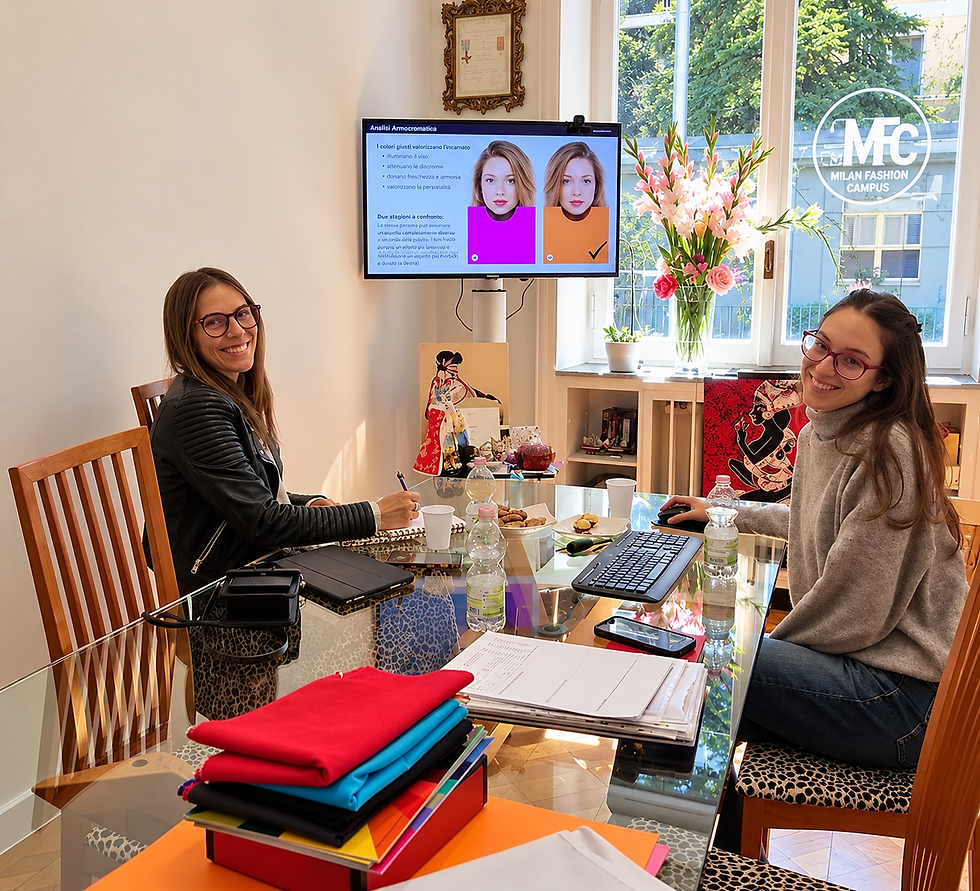
When researching fashion styling courses in Milan, career changers should prioritize programs that connect theoretical knowledge with practical exercises.
The following skills are particularly useful.
1. Body Shape, Proportions and Silhouette Analysis
Learn to recognize proportions and understand how different garments, cuts, fabrics, and silhouettes affect the appearance of an outfit.
The objective is not to impose one ideal body shape, but to understand how clothing can support individual preferences and image goals.
2. Color Analysis and Coordination
Study color relationships and learn how to create harmonious or contrasting combinations.
Explore how colors communicate different moods, how they interact with personal characteristics, and how color choices can support a client's identity.
3. Fashion Styles and Visual Identity
Understand the characteristics of classic, elegant, minimalist, romantic, contemporary, streetwear, avant-garde, and other fashion styles.
A professional stylist should be able to recognize a visual identity and reinterpret it for different people and situations.
4. Fashion Trend Research
Discover how to analyze runway collections, observe emerging aesthetics, and distinguish short-lived trends from more enduring fashion directions.
The real skill is knowing how to translate fashion inspiration into relevant, wearable or commercially appropriate looks.
5. Moodboard and Fashion Presentation
Learn how to communicate ideas through visual research, color palettes, clothing selections, and moodboards.
These presentation techniques are important when communicating with clients, brands, photographers, and creative teams.
6. Outfit Creation and Styling Projects
Develop complete looks for different briefs: professional dressing, special occasions, travel wardrobes, editorial themes, or brand campaigns.
Working on practical projects teaches you to make decisions, compare alternatives, and explain your styling choices.
The purpose of styling education is not simply to give you fashion information. It is to train your eye and develop a repeatable creative process.
Why Choose Short Fashion Styling Courses Instead of a Long Degree?
A traditional fashion degree may provide broad academic preparation, but not everyone considering a career change can commit to several years of full-time study.
Working adults often need a more focused educational format.
Short fashion styling courses can offer several advantages.
Focused training: Concentrate on specific styling skills rather than studying unrelated fashion disciplines.
A manageable time commitment: Explore a new field without immediately committing to several years of education.
Practical exercises: Apply new knowledge through styling assignments and creative projects.
Personalized learning: Receive guidance on your work, particularly in smaller classes.
Career exploration: Discover whether personal styling, editorial styling, or another specialization matches your interests.
An intensive course is not a substitute for every aspect of a longer fashion education. It can, however, provide a practical starting point.
For career changers, the objective should be to acquire useful skills, produce initial portfolio work, and identify the next steps required for professional development.

Is 40 or 50 Too Old to Start a Fashion Styling Career?
Age does not prevent someone from learning fashion styling.
In fact, adults entering fashion from another profession may bring useful experience in communication, customer relationships, time management, business operations, or understanding different lifestyles.
Consider a person who has worked for 20 years in corporate management.
They may already understand professional dress codes, workplace expectations, and how personal presentation influences communication.
With additional training in color, silhouettes, styling methods, and wardrobe planning, this existing knowledge could become relevant to working with professional clients.
Similarly, someone who has spent years in retail may understand customers, product presentation, and purchasing behavior.
The important question is not simply how old you are.
It is whether you are willing to learn, practise, receive constructive feedback, and gradually develop the skills needed for your chosen direction.
Professional experience and creative education can complement each other.
How to Build Your First Fashion Styling Portfolio
For someone entering the fashion industry, a portfolio can be particularly important.
It allows potential clients, collaborators, or employers to understand your visual thinking and see examples of your work.
You do not necessarily need an expensive professional photoshoot to begin.
A useful starting portfolio might contain three different projects.
Project 1: Personal Image Transformation
Create a styling proposal for a fictional or consenting real client. Define their lifestyle, goals, preferences, and wardrobe needs. Present a series of coordinated outfits with clear explanations.
Project 2: Fashion Editorial Concept
Choose a theme such as Modern Italian Elegance, Urban Minimalism, or Contemporary Menswear. Research references, create a moodboard, select garments and accessories, and develop a visual story.
Project 3: Fashion Styling for Different Ages
Create styling proposals for clients in different age groups. Explore how lifestyle, personal identity, and fashion preferences can influence clothing choices without relying on age stereotypes.
Each project should explain the brief, research, creative decisions, and final styling solution.
Over time, you can replace early exercises with stronger work, collaborations, and professional photography.
A focused portfolio showing your decision-making process can be more persuasive than a large collection of unrelated fashion images.
A Practical Career Change Example: From Marketing to Fashion Styling
Imagine a 42-year-old marketing professional who has always enjoyed fashion but has never studied it formally.
She would like to explore personal styling and potentially offer image consulting services.
Rather than immediately leaving her job, she could approach the transition in stages.
Step 1 — Explore the profession. Understand the differences between personal styling, image consulting, editorial work, and commercial styling.
Step 2 — Learn the foundations. Attend a beginner-friendly fashion styling course covering colors, proportions, wardrobe analysis, trend research, and visual communication.
Step 3 — Complete practical projects. Create styling proposals for different client profiles and develop an initial portfolio.
Step 4 — Test the professional environment. Gain experience through small styling projects, collaborations, supervised activities, or appropriate entry-level opportunities.
Step 5 — Evaluate the transition. Assess her skills, potential client demand, business requirements, and financial situation before deciding whether to pursue styling as a full-time career.
This is a hypothetical example, but it illustrates an important point: changing careers can be a gradual, informed process rather than an immediate leap.
Why Study Fashion Styling in Milan?
Milan offers a distinctive environment for anyone interested in fashion.
The city is internationally associated with Italian design, luxury fashion, ready-to-wear collections, fashion communication, and the culture of personal style.
Beyond its major fashion events, Milan offers many opportunities for visual observation.
Fashion districts, shop windows, boutiques, contemporary architecture, exhibitions, and everyday street style can all become valuable sources of research.
Take the Brera district, for example. Its combination of design, art, boutiques, and urban atmosphere can inspire visual concepts.
Or consider Milan's fashion shopping districts, where window displays and product presentations reveal how brands communicate identity through color, merchandising, and styling.
For an aspiring fashion stylist, learning to observe these details is an essential exercise.
Studying in Milan can therefore combine structured training with the inspiration of a city where fashion is part of everyday cultural and commercial life.
Fashion Styling Courses at Milan Fashion Campus
For career changers who prefer a practical and intensive approach, Milan Fashion Campus offers short fashion courses in Milan for international students, beginners, and professionals who want to develop specific creative skills.
The school's educational approach emphasizes practical assignments, visual research, personalized guidance, and industry-oriented learning.
Women's Personal Fashion Styling Course
The Women's Fashion Styling Course in Milan focuses on personal image consulting, body and face shape analysis, color coordination, fashion styles, and outfit creation.
Depending on the selected format, the course lasts from one to three weeks and is suitable for beginners.
Media Editorial Fashion Styling Course
The Media Editorial Fashion Styling Course introduces students to the creative and organizational aspects of styling for fashion photography and editorial projects.
This three-week program includes trend research, visual concepts, portfolio development, and a fashion photoshoot project.
Men's Fashion Styling Course
For those interested in menswear, the Men's Fashion Styling Course explores Italian men's style, dress codes, outfit coordination, accessories, and contemporary fashion trends.
Flexible Study in Milan
Milan Fashion Campus offers courses taught in English, with Italian also available for selected programs.
On-site classes generally run Monday through Thursday, with six hours of daily training for full-time courses.
Courses can begin on Mondays throughout the academic year, subject to school closures and availability.
For career changers who cannot commit to a traditional academic calendar, this flexible structure makes it possible to plan a focused study experience in Milan.
Prefer to Start Online?
Not everyone can travel to Italy immediately.
The Milan Fashion Campus Online Academy offers fashion styling education through video lessons, visual learning materials, and practical assignments.
Students can explore fashion styling from home, with different enrollment options, including courses offering personalized feedback and certification upon successful completion of the required assessments.
Online learning can also be a way to develop foundational skills before deciding whether to continue with in-person training in Milan.
How to Choose the Right Fashion Styling Course for a Career Change
Before enrolling in any fashion school, ask yourself the following questions:
Does the course accept complete beginners?
Will I work on practical styling assignments or mostly study theory?
Can the course help me create material for my portfolio?
Does the program focus on the professional direction that interests me?
Will I receive useful feedback on my styling decisions?
Can I fit the schedule and total cost into my current personal and professional commitments?
Also consider whether you need a short vocational course, a broader academic program, or a combination of education and work experience.
A certificate can document completed training, but it does not automatically qualify someone for a particular job or guarantee employment.
What matters is how effectively you develop and demonstrate your skills.
Frequently Asked Questions About Fashion Styling Courses for Career Changers
1. Can I become a fashion stylist without a fashion degree?
Yes. A fashion degree is not the only route into many styling roles. You can begin with practical courses, individual projects, and portfolio development. Further training and professional experience may be necessary depending on your career goals.
2. Is 40 or 50 too old to start learning fashion styling?
No. Fashion styling education can be suitable for adults of different ages. Previous professional experience may provide useful transferable skills, especially in client communication, business management, and understanding personal image.
3. How long does it take to complete a fashion styling course in Milan?
Course lengths vary considerably. At Milan Fashion Campus, Women's Personal Fashion Styling options range from one to three weeks, while the Media Editorial Fashion Styling program is three weeks long. Developing professional competence generally requires further practice beyond the course itself.
4. What is the difference between personal styling and editorial styling?
Personal styling focuses primarily on individual clients, their wardrobes, lifestyles, and personal image. Editorial styling develops visual concepts for photography, magazines, campaigns, and other creative productions.
5. Can I study fashion styling in Milan in English?
Yes. Milan Fashion Campus offers short fashion styling courses taught in English, making them accessible to international students and adults who want to study fashion in Italy.
6. Can I learn fashion styling while keeping my current job?
Yes, depending on the format. Online courses can offer the flexibility to study around work commitments. For intensive on-site courses, you may need to arrange time away from work or select an appropriate part-time option where available.
7. What should a beginner fashion styling portfolio include?
Start with a few strong projects demonstrating personal styling, trend research, moodboard creation, outfit coordination, and visual storytelling. Explain your objectives and creative decisions rather than showing only finished images.
8. Can a short fashion styling course help me change careers?
A short course can help you develop foundational skills, evaluate your interests, and begin building a portfolio. It is an educational starting point rather than a guarantee of professional employment. Your future opportunities will also depend on experience, specialization, portfolio quality, and continued development.
Final Thoughts: Your Next Career Chapter Could Begin with Fashion
Changing careers is rarely just about finding a different job. Sometimes it is about discovering a field that better reflects your interests, creativity, and professional ambitions.
Fashion styling combines visual sensitivity with practical thinking, human communication, and an understanding of image.
For adults who already have professional experience, learning these new skills can open possibilities that were not previously considered.
You do not need to have studied fashion at 18 to begin exploring it at 35, 45, or 55.
You need curiosity, a willingness to learn, and the determination to turn creative ideas into practical work.
At Milan Fashion Campus, short intensive programs offer an opportunity to experience fashion education in one of the world's most influential fashion cities.
Your previous career is part of your story. Fashion styling could become your next chapter.
Style is a language. What do you want yours to say?


Comments