

Fashion Schools Abroad: How to Evaluate Student Work

When comparing fashion schools abroad, student work can help you understand what a course actually teaches. Look for more than an impressive final image: examine the creative process, the student’s starting level, the time available and the feedback behind the result.
A fashion illustration, styling photograph or collection presentation can demonstrate very different skills. Knowing what to look for will help you ask better questions and choose a learning experience that matches your goals.

1. Look Beyond the Final Image
A polished photograph immediately attracts attention. However, it may show only one part of a larger project.
In an editorial photoshoot, for example, the final image may involve a stylist, photographer, model, makeup artist and other contributors. To understand the student’s work, you need to know which decisions and tasks were theirs.
Did the student develop the concept? Select the clothes? Plan the outfit combinations? Organise the visual references?
The same applies to fashion design. A beautiful illustration can demonstrate drawing and presentation skills, but it does not automatically demonstrate pattern cutting, sewing or garment construction.
When reviewing a project, ask:
What was the assignment?
Which parts did the student complete?
What skills does the result demonstrate?
Was this an individual or group project?
Clear project descriptions make a school’s gallery much more useful when comparing courses.
2. Ask to See the Creative Process
The final result becomes more informative when you can see how it developed.
A fashion design project might include initial research, a moodboard, silhouette experiments, colour choices and a final presentation. A styling project might show a brief, references, outfit tests and the selected looks.
You do not need every page of a student’s sketchbook. A few well-chosen stages can reveal how the student explored an idea and made decisions.
Look for a clear relationship between the starting concept and the finished work. Can you understand why particular colours, shapes or garments were selected?
For example, a project inspired by architecture could explore structure, proportion or repeated lines. The interesting question is how those observations become clothing or styling decisions.
That connection helps you see the thinking behind the image.
3. Understand the Student’s Starting Level
Students arrive at fashion school with different backgrounds.
One person may be drawing fashion figures for the first time. Another may already have a design degree. Someone with photography or graphic design experience may produce polished presentations while still learning the fundamentals of fashion.
Their final projects should be interpreted in that context.
When you see work you admire, ask whether the student was a beginner, an experienced learner or a working professional. Then look for examples from people whose starting point resembles your own.
A beginner’s project can show meaningful progress through clearer proportions, more coherent colour choices or better organisation—even when it looks less polished than advanced work.
Fashion Schools Abroad 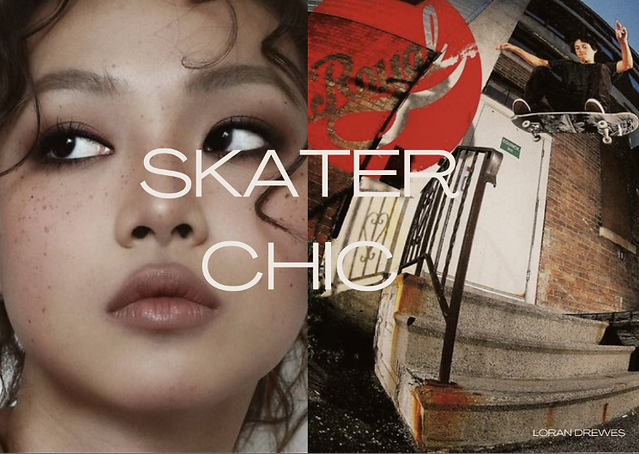
Fashion Schools Abroad 
Fashion Schools Abroad 
Fashion Schools Abroad
Learn everything from basic hand drawing to using Photoshop and Illustrator, coloring fashion designs, and creating mood boards.
A useful comparison explains what changed. “The second version uses more consistent proportions” tells you more than a general claim that the student improved.
4. Match the Result to the Time Available
If you plan to study fashion design abroad for a short period, ask what can realistically be developed within that time.
A focused introductory course might help you complete a defined exercise or begin a small project. A longer course may allow more experimentation, revision and development across several pieces of work.
The number of images in a gallery does not tell you how long each project took.
Ask whether the work was completed during lessons, developed through additional independent practice or continued after the course ended.
Useful questions include:
How many teaching hours supported this project?
Was the student learning the technique for the first time?
How many revisions were involved?
Is this a finished project or work in progress?
This helps you connect the results you see with the time and commitment you can realistically offer.
5. Look for Evidence of Teacher Feedback
One useful way to understand teaching is to see what happens between a first attempt and a revised version.
Feedback might help a student simplify an overcrowded moodboard, improve garment proportions, clarify a target customer or make a styling concept more consistent.
Look for explanations of specific decisions. What needed attention? What did the student change? Why did that change strengthen the work?
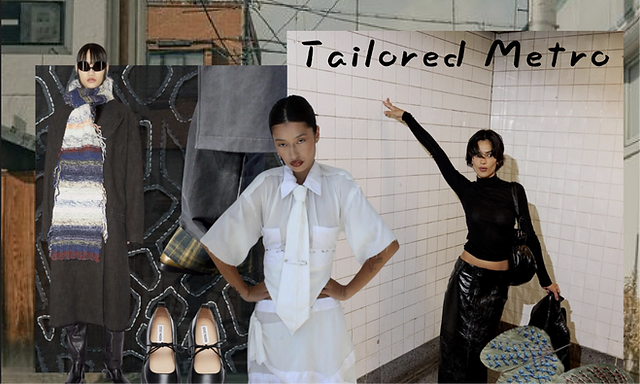
Fashion Schools Abroad


Bring your fashion ideas to life—from hand-drawn sketches to digital designs with Photoshop and Illustrator. Play with color, create bold mood boards, and define your signature style.
It is also worth asking how feedback is delivered: individually, through group reviews or through a combination of both.
The aim is to understand how a course helps students recognise problems and make more informed creative choices.
6. Identify the Skills Each Project Demonstrates
Different types of student work provide different evidence.
Use the following guide when browsing school websites or asking to see examples.
Type of student work | What to examine |
Relevance of references, selection and clarity of the concept | |
Proportion, silhouette, garment details and visual communication | |
Clarity of construction details and consistency between views | |
Relationships between looks, colour choices and intended customer | |
Suitability for the client’s brief, lifestyle and preferences | |
Concept, outfit selection and consistency of the visual story | |
Organisation, project development and clear attribution of work |
A course does not need to teach every skill in this table. Its projects should provide evidence of the subjects it promises to teach.
If your priority is designing a collection, investigate design development. If your goal is personal styling, look for decisions made in response to a client’s needs.



NOT ONLY FASHION DESIGN FROM THE CONCEPT TO REALITY 
NOT ONLY FASHION DESIGN FROM THE CONCEPT TO REALITY 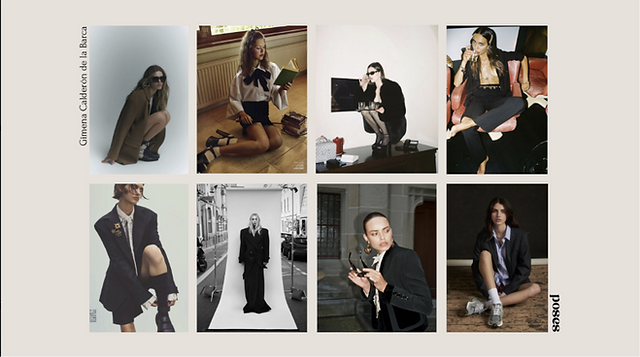
NOT ONLY FASHION DESIGN FROM THE CONCEPT TO REALITY 
NOT ONLY FASHION DESIGN FROM THE CONCEPT TO REALITY 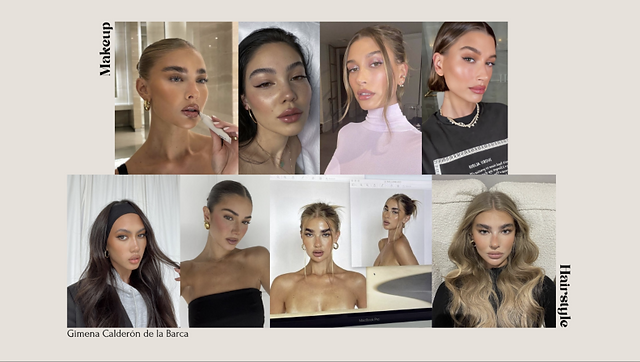
NOT ONLY FASHION DESIGN FROM THE CONCEPT TO REALITY 
NOT ONLY FASHION DESIGN FROM THE CONCEPT TO REALITY
FROM THE PROJECT TO REAL HANDS ON EXPERIENCE
7. Ask How Digital Tools Were Used
Fashion projects may involve hand drawing, photography, design software or AI-assisted imagery.
When digital tools are involved, ask the school to explain the student’s contribution. Did they create the original sketches, develop the concept, edit the images or assemble the presentation?
For AI-assisted work, it is useful to understand how the student directed and evaluated the output, and which decisions they made themselves.
An attractive image alone cannot show whether someone understands garment details, proportions or the practical feasibility of a design. Supporting sketches, notes and revisions provide additional context.
Clear explanations help you assess both creative judgement and technical learning.
Looking at Student Work in Milan
For students considering Italy, Milan can become part of the research process. Shop displays, exhibitions, architecture and everyday dressing can provide material to observe and interpret.
When reviewing a Milan-based student project, ask how that experience influenced the work. Did the student investigate colour combinations, compare retail presentations or translate observations into a collection concept?
At Milan Fashion Campus, the focus is on creative fashion design and styling. When considering a course, ask for relevant examples and discuss your starting level, available time and intended learning outcome.
Courses can normally start on Mondays, subject to availability and school closures.
Explore the short fashion courses in Milan to identify the subject you would like to investigate further.

Questions to Ask Before Choosing a Fashion School Abroad
Before applying, use this checklist when contacting a school:
Can you show me projects from students with a background similar to mine?
What was the brief for this project?
Which parts did the student complete independently?
How long did the project take?
Can I see an early version and a revision?
What feedback did the teacher provide?
Which tools and techniques were used?
What would be a realistic learning outcome for my chosen course?
The most useful student work helps you understand how learning happens. Look for a clear process, an explained contribution and outcomes that match the course.
That gives you a stronger basis for deciding where—and what—you want to study.


Comments