

Fashion Course vs Fashion Degree: Which Path Fits You?
Updated: Apr 16
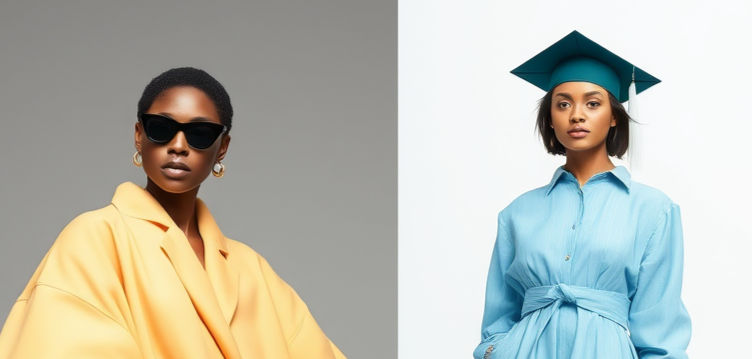
Fashion course vs fashion degree
Content Overview
Why this choice matters
The real difference
When a degree makes sense
When a short course makes sense
Common mistakes
Beginner vs advanced path
What employers look for
How to choose well
FAQ
Choosing the Right Fashion Education Path
Some people realise they want a future in fashion at 17. Others get there at 28, after time in marketing, retail, architecture, or a job that never felt fully right. That is why the fashion course vs fashion degree question matters. The best choice is not the one that sounds more prestigious. It is the one that fits your timeline, your goals, your budget, and the way you actually learn. That question matters even more now, as The Business of Fashion notes that high tuition, unclear career paths, and new routes into creative work are pushing more young people to rethink the traditional college route.
What it is
In simple terms, fashion course vs fashion degree is a choice between breadth and speed.
A fashion degree is usually long-term, academic, and structured. It often gives students time to explore design, theory, research, construction, communication, and business over several years.
A fashion course is shorter, more focused, and more practical. It is built to help you learn one area faster, such as styling, womenswear design, trend forecasting, portfolio building, or digital fashion tools.
The key idea is simple: a degree often builds a wider educational foundation, while a short course is usually designed for targeted progress.
Why it matters
When people compare fashion course vs fashion degree, they are often really asking a deeper question: what do I need right now to move forward?
If you are finishing high school and want time to grow, experiment, and discover your direction, a degree can make sense. But if you already know what skill gap you need to close, a shorter program may be the smarter investment.
In fashion, time matters. So does momentum. Waiting three or four years to learn something you could practice in weeks is not always the most strategic move.
What you should learn
A strong path, whether short or long, should help you develop:
visual research and trend awareness
portfolio thinking
styling or design direction
communication of ideas
software and presentation skills
market awareness
confidence in showing your work
Common mistakes
Many students choose based on image instead of outcome.
One mistake is assuming a degree guarantees a job. It does not.
Another is assuming a short course is too small to matter. That is not true either, especially when it builds a sharp portfolio and teaches usable skills.
A third mistake in the fashion course vs fashion degree debate is choosing a path that does not match your real life. Adult learners, career changers, and international students often need flexibility more than academic tradition.
Beginner vs advanced
For beginners, a degree can be useful when exploration is the priority. It gives time to test different areas and develop creative discipline gradually.
For advanced learners or career changers, a short course often works better. It acts like a bridge. Someone from marketing may need fashion branding. Someone from retail may need buying or styling. Someone with an art background may need portfolio structure and fashion-specific tools.
That is why fashion course vs fashion degree is not really about better or worse. It is about stage, purpose, and readiness.
How to choose and evaluate
Ask yourself practical questions, not emotional ones.
Do you need exploration or specialization?Do you want skills first or credentials first?Do you need flexibility because of work, travel, or family?Do you want results in months, or are you ready for a multi-year path?Most importantly: what do you want to be doing one year from now?
If your answer is “build work, improve tools, and create a portfolio,” a short course may be the better fit. If your answer is “grow slowly inside a full academic system,” a degree may serve you better.
Key skills employers notice
In fashion, employers usually respond to evidence. They want to see that you can do the work.
Key skills include:
portfolio quality
visual storytelling
trend interpretation
technical accuracy
taste and editing ability
presentation clarity
adaptability
This is why the fashion course vs fashion degree discussion should always end with one more question: what will you actually be able to show when the program is over? BoF has also stressed the importance of portfolio and employability thinking as fashion careers become more competitive and less linear.
FAQ
Do I need a degree to work in fashion?No. In many fashion roles, skills, portfolio, and clarity matter more than a formal degree.
Is a short course enough to start?Yes, especially if your goal is specific and the course helps you produce strong work quickly.
What matters more in fashion: diploma or portfolio?Usually the portfolio. It shows your thinking, taste, and practical ability.
What is better for career changers: fashion course vs fashion degree?A short course is often more strategic because it builds on what you already know instead of forcing a full restart.
Can I study fashion online first?Yes. Online study can be a practical first step when you need flexibility, want to test your interest, or want to build skills before travelling.
Conclusion
The real answer to fashion course vs fashion degree is personal. A degree can offer range, structure, and time. A course can offer speed, focus, and a faster connection to real work. Fashion rewards people who move with purpose. The right education is the one that helps you create, show, and step into your next opportunity with confidence.
For students who want a more practical route, Milan Fashion Campus offers short fashion courses in Milan in English, year-round, with courses starting every Monday, plus online fashion courses with certificate. The school focuses on hands-on learning, portfolio building, small classes, and practical areas such as Fashion Styling, Women’s Wear Design, and Trend Forecasting.
Milan Fashion Campus is an Italian fashion school based in central Milan, founded by Angelo Russica, whose professional background includes work with Gianni Versace and consultancy for Gruppo Marzotto, Max Mara, and Miroglio Vestebene. That mix of industry experience and direct teaching is part of what makes the school relevant for beginners, career changers, and international students looking for a practical entry into fashion.
Useful internal resources: Fashion Styling Course in Milan, Women’s Wear Design, Trend Forecasting, and Online Fashion Courses with Certificate.
Read Milan Fashion Campus Google Reviews through the school’s review page.
Every passion can become competence. The first step is choosing the path that truly fits you.


Comments